
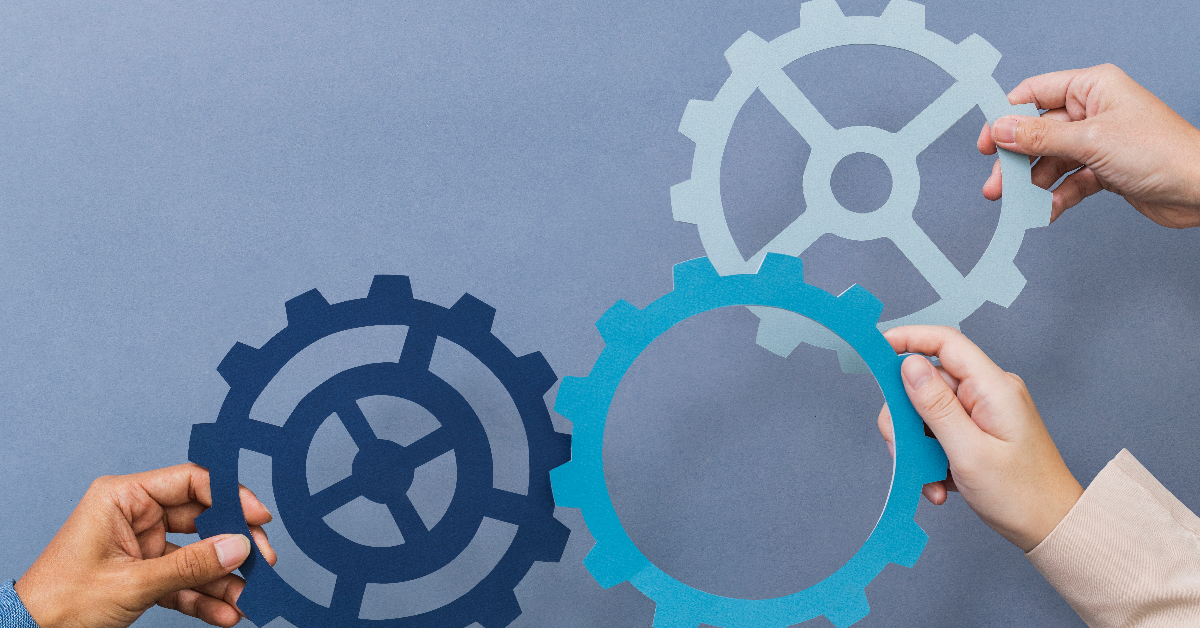
The Shift From Standalone Tools to Integrated Platforms
Not that long ago, using digital tools felt simple. You picked one tool for one job. A writing app for writing. A messaging app for messages. A calendar that just showed dates and reminders.
Most people knew exactly what each tool did, and that was the point.
Somewhere along the way, that started to change. Tools began to overlap. Features piled up. Products that once did one thing well started doing five, then ten. Today, many of the tools people use daily are no longer standalone at all. They’re platforms.
This shift didn’t happen overnight, and it didn’t happen because users asked for it directly. It happened because convenience, scale, and habit all pulled in the same direction.
When One Tool Was Enough
Standalone tools worked because they were focused. You opened them, did the task, and closed them. There was very little friction and very little distraction.
Email was email. Chat was chat. File storage lived somewhere else. If something broke, you knew where the problem was.
That clarity made tools easy to learn and easy to replace. If a better option appeared, switching felt manageable. Your workflow didn’t depend on a single ecosystem holding everything together.
For a long time, that approach made sense, especially when digital work was simpler and less connected.
Convenience Changed Expectations
As more work and communication moved online, switching between tools started to feel inefficient.
People didn’t want to jump between apps to finish basic tasks. They wanted messages, files, notes, and scheduling in one place. Platforms noticed.
The pitch was simple. Fewer logins. Fewer tabs. Everything connected.
At first, integration felt helpful. A chat app that could share files. A project tool that showed messages and deadlines together. A dashboard that pulled information from different places.
Over time, those connections stopped being optional. What began as a convenience slowly became the default.
Platforms Promise Flow, Not Features
Integrated platforms don’t sell individual tools. They sell flow.
The idea is that work should move smoothly from one step to the next without interruption. A message becomes a task. A task links to a document. A document connects to a meeting.
On paper, that sounds efficient. In practice, it also means committing to a system rather than a tool.
Once everything lives inside one platform, leaving becomes harder. Files, conversations, and habits all get locked together. Even if one part of the platform isn’t great, the overall setup feels too embedded to abandon.
That’s how platforms grow. Not by being perfect, but by being central.
The Cost Of All-In-One Solutions
Integration reduces friction, but it also introduces complexity.
Platforms tend to accumulate features faster than people can learn them. Menus grow. Settings multiply. Interfaces change to accommodate new use cases.
For many users, this leads to a strange pattern. They rely heavily on a platform, but only use a small part of what it offers. The rest exists somewhere in the background, unused but unavoidable.
When something goes wrong, it’s harder to isolate the issue. Is it the tool, the integration, or the system itself? The clarity of standalone tools disappears.
Why Businesses Prefer Platforms
From a business perspective, platforms are more than just a trend: they make sense.
They increase retention. They reduce churn. The more a customer depends on multiple features in one place, the less likely they are to leave.
Platforms also create ecosystems. Third-party integrations, add-ons, and services grow around them. That network effect strengthens the platform’s position even further.
For companies, this isn’t about user confusion. It’s about stability and scale. Platforms are harder to replace, and that matters in competitive markets.
Users Adapt, Even If They Don’t Love It
Most users don’t sit down and choose platforms consciously. They drift into them.
A team adopts a tool for one purpose. Over time, more features get used because they’re already there. Eventually, switching feels risky, even if frustration builds.
People learn just enough to get by. They develop workarounds. They accept inefficiencies as part of the system.
This doesn’t mean users are happy. It means habits are strong.
Once a platform becomes part of daily routine, it stops being evaluated regularly. It just exists.
Standalone Tools Haven’t Disappeared
Despite the rise of platforms, standalone tools haven’t vanished. They’ve become more specialized.
Many people still rely on focused apps for writing, design, or specific workflows. These tools often coexist alongside larger platforms rather than replacing them.
The difference is that standalone tools now tend to plug into platforms instead of standing completely on their own. Integration becomes a requirement, not a bonus.
In that sense, even independence has been reshaped.
What This Shift Really Means
The move from standalone tools to integrated platforms isn’t about technology alone. It’s about how people manage complexity.
As digital life gets messier, platforms offer structure, even if that structure comes with trade-offs. They reduce decision-making at the cost of flexibility.
Whether that’s a good thing depends on context. For some workflows, platforms simplify everything. For others, they create noise and dependency.
What’s clear is that this shift reflects how digital habits form. People favor what feels stable, familiar, and already connected, even when it’s imperfect.
And once a platform becomes the place where everything happens, it’s no longer just a tool. It’s infrastructure.





2 Comments